


Magnolia in Japanese Art
Something that captivates me in art is a style of Japanese printing and painting relating to ukiyo-e woodblock printing, also known as kachō-e meaning 'bird and flower designs.
This work
Magpie with White Magnolia Blossoms, is from around 1931 by the Japanese artist Ohara Konson (Kanazawa 1877 – Tokyo 1945).
Magnolias for me have become a symbol of the ending of a dark period. The emergence of elegance, after the deep reprocessing and renewal that rises again after Winter.
The appearance of magnolia as it blooms is astonishingly beautiful. The graceful symbol of this flower reverberates through the seasons ahead. A reminder of freshness; fleeting moments of pure clarity; resilience in the trees ability to survive - and bloom - in the toughest terrains.
The Scent of Magnolia
Although the aromatic fragrance has been embedded in Oriental culture for thousands of years, it is a fairly recent addition to the palette of a Western 'nose'. The green intoxicatingly fruity notes are heady. Yet magnolia also embodies a certain creaminess, which makes it highly unique. In the East magnolia blossoms are highly prized for perfuming teas, with plantations grown in close proximity to fields of jasmine sambac - also a favourite in blending aromatic teas.
Magnolia in Natural Incense
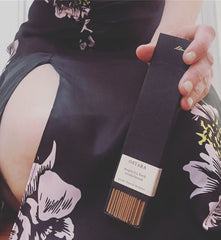
Magnolia as an ingredient in high quality incense, is added to create beautiful efflorescent master pieces. Adding a desirable floral accord, to creamy sandalwoods and more profound femininity to aloeswood.
Ume have a creamy magnolia in our collection, which is cherished as a unique scent within the incense range we offer. We named this elegant blend Ostara, after the ancient goddess of Spring when the flowers come into bloom.
 Incense With Floral Aspects
 Ostara Ostara |
Floral Natural Incense |  Inner Bloom Inner Bloom |
We're working on a third addition to this floral range, which will be launched soon
***

